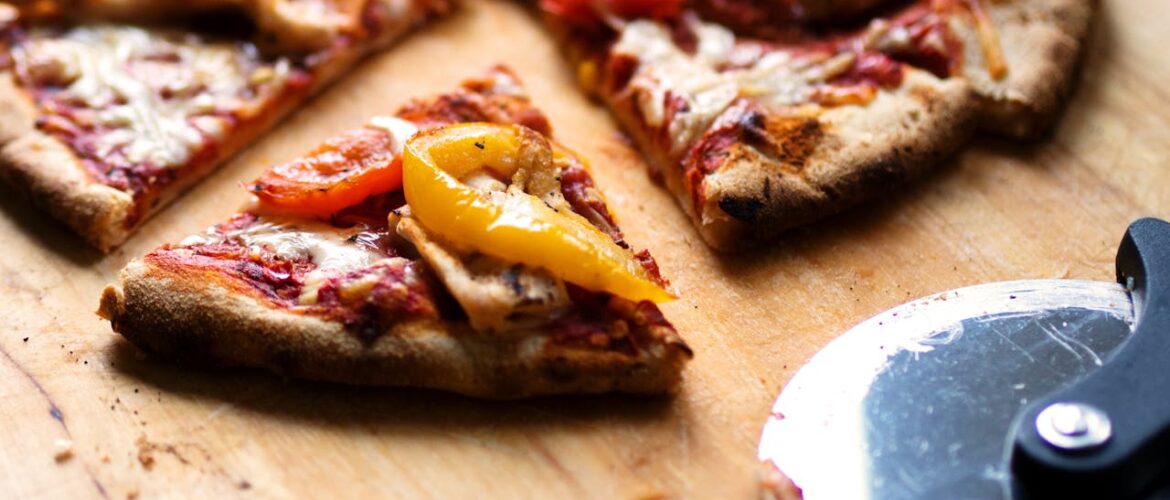
Cooking Pizza in a Toaster Oven – How We Make It Easy, Crispy, and Seriously Good
Let’s be honest.
Most of us have stood in the kitchen, hungry, staring at a toaster oven, wondering: can we really cook a good pizza in this thing?
The short answer? Absolutely.
The long answer? We can do it really well — if we know what we’re doing.
In this guide, we’re walking through everything we’ve learned about cooking pizza in a toaster oven. No chef jargon. No unnecessary complications. Just practical tips, small tricks, and real-world experience that actually make a difference.
Whether we’re reheating leftovers, baking a frozen pizza, or making a small homemade one from scratch, this article has us covered.
Why We Love Cooking Pizza in a Toaster Oven
A toaster oven might not look impressive, but it’s one of the most underrated tools in the kitchen.
Here’s why we keep coming back to it for pizza:
It heats up fast – no long preheating like a full oven
Perfect for small portions – no wasted energy
Great heat control – especially for crispy crusts
Ideal for quick meals – lunch, late-night snacks, or solo dinners
And honestly?
Once we learn how to use it properly, the results can be surprisingly close to a traditional oven.
What Kind of Pizza Works Best in a Toaster Oven?
Not every pizza is a perfect match, and that’s okay.
Let’s break it down.
Frozen Pizza (Small to Medium)
This is where toaster ovens really shine.
Best choices:
Personal-sized frozen pizzas
Thin crust varieties
Flatbread-style frozen pizzas
Thick, family-size pizzas?
Those usually won’t fit — and even if they do, they won’t cook evenly.
Homemade Pizza (Small Batch)
Yes, we can absolutely make pizza from scratch.
What works best:
Thin crust dough
Smaller diameter (7–9 inches)
Moderate toppings (less is more here)
Heavy dough + lots of toppings = soggy center.
We’ve learned that the hard way.
Leftover Pizza (Reheating)
This might actually be the toaster oven’s greatest talent.
It reheats pizza better than:
A microwave (no rubbery crust)
A frying pan (less effort)
An air fryer (more control)

Setting Up the Toaster Oven for Pizza Success
Before we even touch the pizza, setup matters more than we think.
Rack Position
Most of the time, we aim for:
Middle rack for balanced cooking
Lower rack if we want a crispier bottom
Too high and the cheese burns.
Too low and the crust dries out.
Pan, Tray, or Directly on the Rack?
Each option gives a different result.
Directly on the rack
Crispiest crust
Best for frozen pizza
Watch closely to avoid dripping cheese
Pizza pan or baking tray
Easier cleanup
Slightly softer crust
Good for homemade pizza
Foil (last resort)
Convenient
Can trap moisture
Use sparingly
Temperature: This Is Where Most People Mess Up
Here’s a simple rule we live by:
Hotter is usually better — but only up to a point.
Our Go-To Temperature Range
400–425°F (205–220°C) for most pizzas
375°F (190°C) for reheating
450°F (230°C) only if the toaster oven can handle it safely
Lower temperatures dry out the crust before the cheese melts.
Higher temperatures can burn the top in minutes.
Cooking Times That Actually Work
Every toaster oven is different, but these ranges are reliable.
Frozen Pizza
10–15 minutes
Rotate once halfway if needed
Homemade Thin Crust Pizza
8–12 minutes
Check the bottom early
Reheating Pizza
4–6 minutes
Add a drop of water on the tray for steam if the slice is very dry
We always say this:
watch the pizza, not the clock.

How We Get a Crispy Crust (Without Burning the Top)
This is the holy grail.
Here’s what consistently works for us:
Preheat the toaster oven fully
Use the lower rack for the first half
Finish on the middle rack if needed
Avoid overloaded toppings
Use thin dough
And one underrated trick?
Let the pizza rest for one minute after baking.
The crust sets and stays crisp.
Cheese Matters More Than We Think
Not all cheese behaves the same in a toaster oven.
Best options:
Low-moisture mozzarella
Mozzarella + provolone blend
Light sprinkle of parmesan for browning
What to avoid:
Fresh mozzarella (too wet)
Thick cheese layers
Pre-shredded cheese with heavy anti-caking agents
We’ve learned that less cheese = better melt in a toaster oven.
Toppings: Keep It Simple, Keep It Balanced
Toaster ovens don’t forgive excess.
Our topping rules:
Pre-cook meats
Slice veggies thin
Avoid watery ingredients
Spread toppings evenly
If we’re unsure, we ask ourselves:
Would this cook fully in 10 minutes?
If not, it needs prep.

Common Mistakes (We’ve Made Them All)
Let’s save ourselves some frustration.
❌ Skipping Preheat
This leads to uneven cooking every time.
❌ Too Many Toppings
The crust suffers. Always.
❌ Wrong Rack Position
Burned cheese or pale crust — sometimes both.
❌ Walking Away
Toaster ovens cook fast. Stay nearby.
Can We Use a Toaster Oven Instead of a Regular Oven?
For small pizzas? Yes.
For large gatherings? Probably not.
We use toaster ovens when:
Cooking for one or two people
Making quick meals
Reheating leftovers
Avoiding heating up the whole kitchen
It’s not about replacing the oven.
It’s about using the right tool for the job.
Is Cooking Pizza in a Toaster Oven Safe?
As long as we follow basic rules, absolutely.
Just remember:
Don’t use oversized pizzas
Keep cheese from dripping onto heating elements
Use oven-safe trays
Avoid parchment paper at very high temperatures
A little awareness goes a long way.
Conclusion
Is It Worth It?
100% yes.
Cooking pizza in a toaster oven isn’t a compromise — it’s a skill.
Once we understand heat, timing, and setup, the results are fast, crispy, and incredibly satisfying.
Whether we’re making a quick lunch, reheating last night’s slices, or experimenting with homemade dough, the toaster oven earns its place on the counter.
And honestly?
There’s something deeply satisfying about pulling out a perfectly cooked pizza from such a small appliance.